
Learn More About Your Pests
We've made it easy for you to find valuable information to some of Texas's most common pests. Let us help you learn more about the pests you encounter with our extensive library of information. And remember, once you've gathered the knowledge, call Metro Exterminating
at 281-428-1511
to schedule an appointment and we'll do the rest!

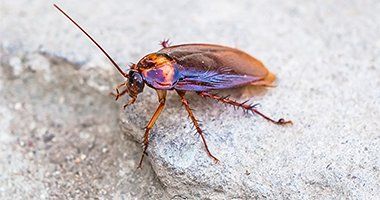
Roaches
Considered one of the most important and most difficult insect to control in the pest control industry with over 4000 species world wide and about 70 species in the United States, cockroaches have changed very little over the past 400 million years. They infest homes and commercial establishments capable of carrying many types of food poisoning diseases as well as causing allergic reactions in many people especially children.
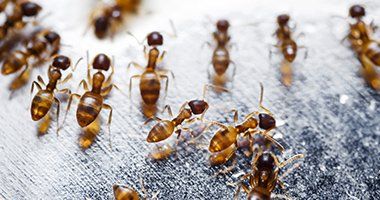
Ants
Ants are the most successful groups of insects with about 700 species in the United States and Canada. They are social by nature living in colonies below and at times above ground. They will enter buildings for shelter, food and moisture feeding on virtually any type of food. For the past 10 years ants have become the most active and at times the most difficult structural pest to control.
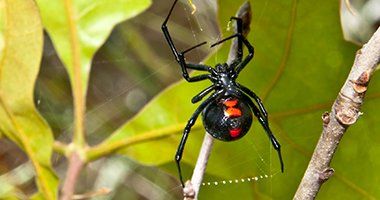
Spiders
With over 35,000 known species around the world and about 3,000 in North America spiders are commonplace in many homes and businesses. Wherever their preferred food is available, you can be assured spiders are likely to be found. In the United States only 2 groups of spiders are dangerous to man, the widow and recluse spiders.
Rodents
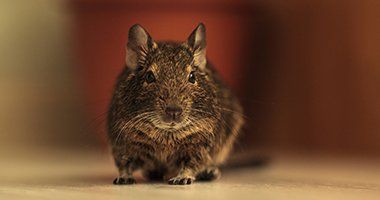
Rats and mice are considered to be one the greatest of pest importance to people because of the damage to property, contamination of stored food, and the ability of spreading disease and allergens. The most common rodents to the Texas Gulf coast are the House mouse, Norway Rat and Roof Rat.
Termites
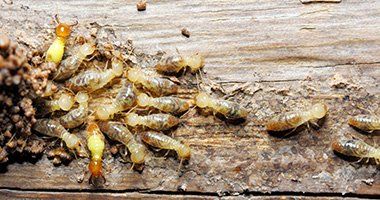
Although beneficial to nature, Termites are known to cause over $5 Billion dollars of damage to homes and business in the United States each year. The most common termites to the Texas Gulf Coast are the Subterranean Termite, Formosan Termite and the Drywood Termite. It's extremely important to identify which termite is infesting the structure before any control measures are taken.
Bees & Wasps
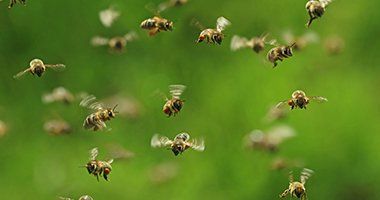
Although considered an important group of insects for pollination of flowering plants and helping to reduce the number of pest species, these insects cause over 50 deaths each year. It is very important to identify the group of bees, wasps or hornets your dealing with. Understanding whether they are solitary or social and particular nesting habits will be essential for safely and control.
Fleas & Ticks
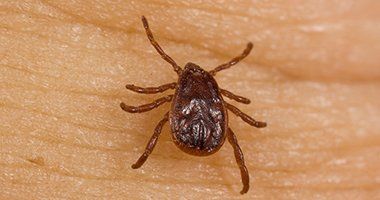
Blood-feeding insects are of great concern to our customers for many reasons. Not only are the bites annoying and often painful but they can transmit disease. From Rocky Mountain spotted fever, Lyme disease, etc. from ticks to bubonic plague, typhus, tapeworms, etc. from fleas these insects are of the utmost importance in control for the health and welfare of people and domestic animals.
Other Pests
There are many other types of insects that invade structures from time to time. Although some may be just a nuisance while others may possibly do damage, most of these occasional invaders enter because of outside conditions that have become inhospitable, too hot or cold, too wet or dry, etc. Other occasional invaders are attracted to lights at night which in turn will attract other insects for feeding.